
Softening
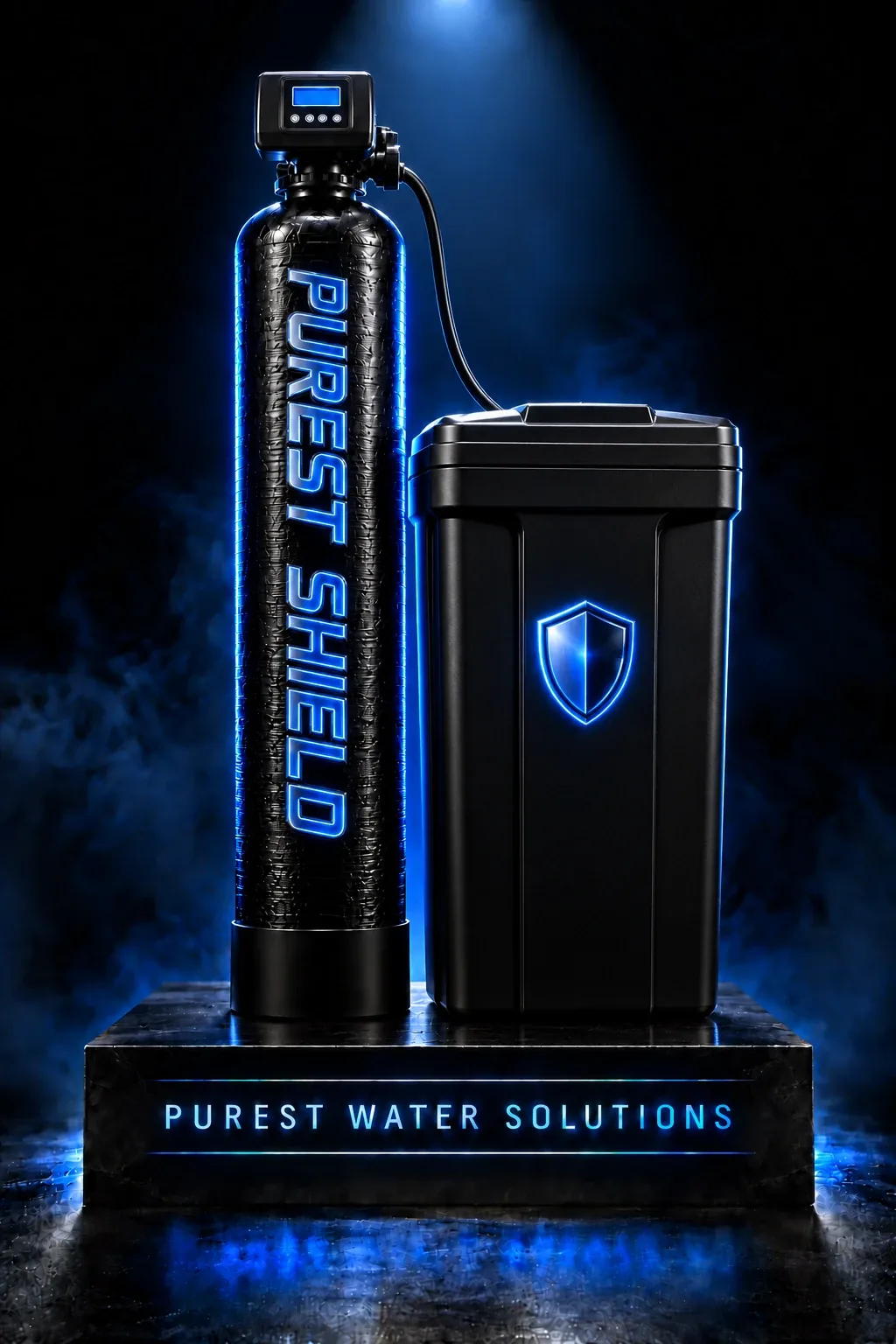
PurestShield.
Hard water, made soft.
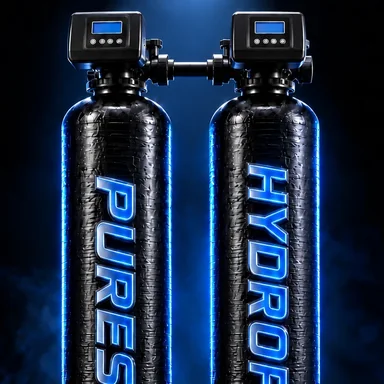
PurestShield softens with salt and meters its own work. It is designed to take the calcium and magnesium hardness out of your water, so soap works better and your fixtures, plumbing, water heater, dishwasher and washing machine are looked after.
- Type
- Metered water softener
- Where it goes
- Main water line
- Handles
- Hardness: calcium and magnesium
- Begins with
- A free water test

What it does
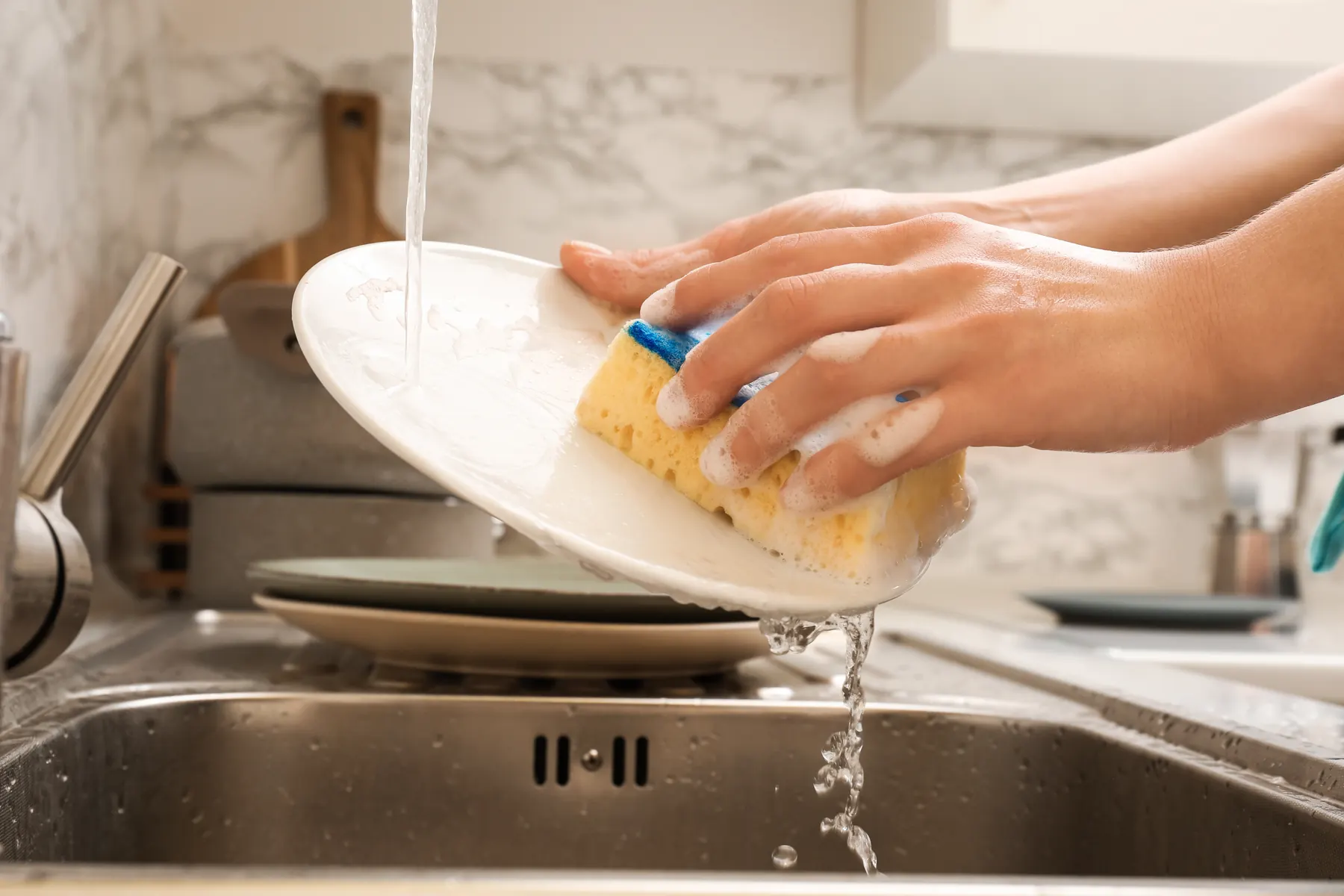
What soft water feels like
- I
Softened by ion exchange
As hard water travels through the mineral tank, the resin holds on to calcium and magnesium and lets go of sodium or potassium in their place.
- II
Renewed by brine
Once the resin has held all it can, the valve sends brine from the brine tank through it, and the resin is made ready to soften again.
- III
Guided by how you live
Metered control follows the water your household really uses, so renewal happens on demand.
- IV
Kind to the house
Scale-forming minerals are behind the crust that gathers on taps and inside the water heater, and with them gone, soap lathers more freely too.
How hard water shows itself
- Mineral deposits on glassware
- Scale on taps and fixtures
- Soap that lathers poorly
- More soap needed with each wash
- Buildup inside the water heater
- Scale gathering on appliances
The parts
Three parts, one quiet job
Tap a numbered marker, or choose from the parts listed. Markers appear only on parts that the image really shows.
How it goes
How PurestShield finds its way to your home

- I
A free water test
It begins with a quiet look at your water: chlorine, hardness, pH, TDS, iron and manganese. The test costs nothing and asks nothing of you.
- II
A considered recommendation
Your results choose the system, never the other way round. You see one fixed price once the test is done.
- III
Careful installation
PurestShield joins the main line, and its settings are chosen to suit the hardness your test measured.
- IV
Water you enjoy
Softened water from every faucet, and appliances that meet less scale.
Where it belongs
Matched to your water, not picked from a catalogue
PurestShield is set up where your water supply enters the home, its settings chosen to suit how hard your water is and how much your household uses. From there, softened water reaches every faucet and appliance. Your hardness is measured first, at the free water test.
Each recommendation starts with the free test, and a price is named only once your readings are in.

Gallery
PurestShield at home: the moments it serves
PurestShield
Questions about this system
IHow can I tell if my water is hard?
Look for mineral deposits on glassware and fixtures, soap that lathers poorly and more soap needed with each wash. To know exactly how hard yours is, ask for a free water test.
IIHow does softening actually work?
Through ion exchange: as hard water flows over the resin, calcium and magnesium are held back and sodium or potassium is released in return. Once the resin is full, the brine tank supplies brine to recharge it.
IIIWhat does metered mean?
It means the valve pays attention to how much water your household draws, so the resin is renewed according to demand and not by the calendar.
IVHow does a softener differ from a filter?
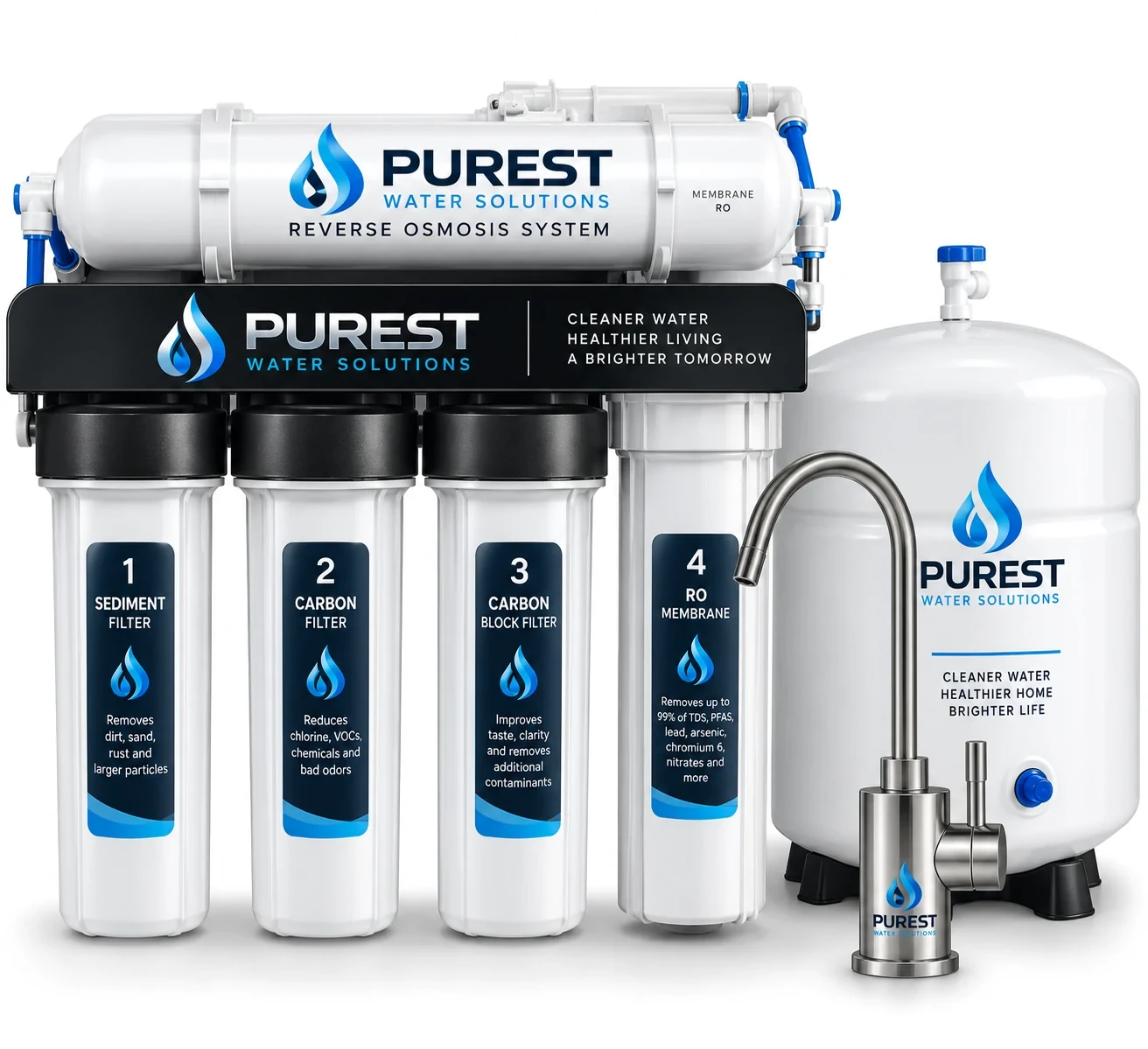
A softener's task is hardness, the minerals it is designed to take out. A filter's task is chlorine and the taste and odor that go with it, which it is designed to reduce. Purest HydroFlo offers both within one system.
VWhich should I choose, PurestShield or Purest Soft?
Both soften with salt, each with a single tank and a brine tank at its side. What separates them for your home is your water, and your free test is where that gets read.
Next step
Ready to meet PurestShield?
A free water test comes first. Then we suggest whatever your readings call for, with a single fixed price once the test is done.